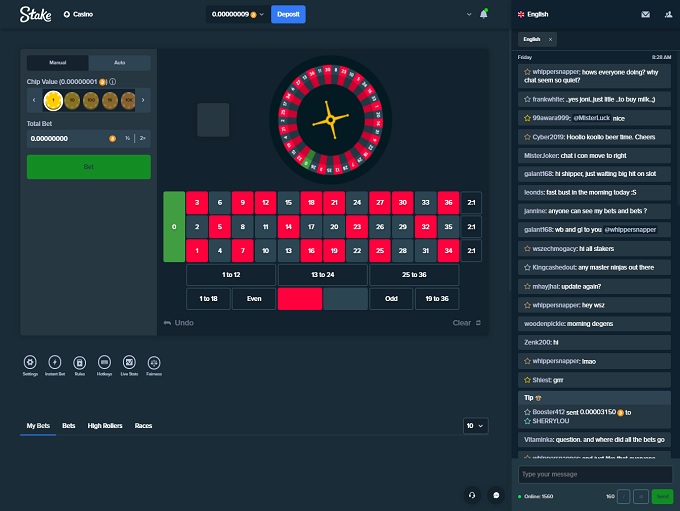
Online casino approaches may seem like myths. Everybody has tales, but proof is more difficult to come by. We aimed to witness a single example in practice, so we chose a well-known method—often referred to as the “Favorite System”—for a genuine test. To stay practical, we asked an Ireland-based playlist creator to conduct the experiment. Their role involves identifying patterns in music data and listener data, a talent that looked valuable for tracking wagering patterns. Over a number of weeks’ period, they followed the system’s core rules closely to real-time dealer games at Casino Stake, recording each stake, victory, setback, and intuition. This is the plain, raw account from that trial.
What Specifically Is the Favorite System?
Let’s define the system before we reach the numbers. The Favorite System isn’t a single script. It is a category of strategies built on one straightforward principle: you consistently wager on the statistical favorite. At a casino, this typically means the wager with the highest probability. You may wager on “Banker” in baccarat, or adhere to Red or Black in roulette. The thinking is straightforward. If you follow the most likely outcome every time, you will likely win more often than you lose, steadily building your money. This is a cautious style, the opposite of pursuing big payouts on unlikely numbers. For our test, we established clear rules: begin with a small base bet, raise the stake slightly after a loss to recover, and never deviate from the highest-probability option in each game.
Practical Takeaways for the Everyday Player
What should you do with this? Our main finding is that the Favored System is not a magic trick and more a tool for structure. It can aid newcomers avoid chaotic bets and learn the flow of a game, much like how a playlist structure directs song choice. For it to function, you must pair it with strict bankroll rules and recognize that progress will be gradual, messy and never linear. This is not a quick path to riches. Test it first with a virtual bankroll in Stake’s demo modes to hone the required emotional control. Remember, no system eliminates the house edge. It just gives you a framework to work within it. Your own mindset is the key element.
Setting Up the Test: Budget and Gambling Selection
We commenced with strict control. Our playlist creator initiated with a specific bankroll of 500 units, handling it like a business task. We focused on Live Baccarat and Live Roulette. These games have distinct “favorite” bets with probabilities close to 50/50—Banker or Player in baccarat, Red/Black or Odd/Even in roulette. The rules allowed no exceptions: no single-number roulette bets, no baccarat side bets. Each session stopped after 50 bets or 90 minutes, whichever came first, to sidestep tired decisions. A detailed spreadsheet logged every move and mood, compiling a raw dataset without any alterations.
Extended Outcomes: The Raw Numbers After 1,000 Bets
After two weeks and over 1,000 individual bets, the final tally presented a complex story. The total bankroll ended about 2.5% above where it started. That net gain hides a rocky path. The win rate stabilized around 51%, which aligns with the statistical edge of the bets we made. Profit stemmed from many small gains barely outweighing many small losses. There were no dramatic jackpots. A key figure stands out: the largest drawdown, meaning the biggest peak-to-valley loss, hit nearly 25% of the bankroll at one point. This shows the system might produce a profit long-term, but you need a solid bankroll and calm nerves to endure the deep dips.
Our Pick of Stake Casino to Run This Test
We needed the perfect environment for a clear test. Stake Casino was the natural pick for a few solid reasons. Its live casino section is vast, offering round-the-clock tables for Live Blackjack, Live Roulette, and Live Baccarat. That offered us a real-time environment to test the strategy without pause. Stake’s interface is designed for quick bets, which makes a difference when you are using a system between fast-paced rounds. Equally important, the platform keeps clear game histories and stats. We could gather reliable data after each session to check our performance. For a hands-on review that needed credible data, Stake’s features delivered.
The Unavoidable Downturn: Loss Runs Examined
The easy path finished, of course. We experienced a series of sessions where the preferred outcome persistently lost. One roulette streak was severe: Black came up eight times in a row while we were betting Red. This revealed the system’s main issue. To regain losses, you have to increase your bets. That escalates quickly, needing a bigger bankroll and increasing your risk. Our tester felt the pressure build as the bet sizes grew to recover what was lost. The emotion log revealed clear frustration, likening it to when a curated playlist receives a bunch of skips in a row. This period was a blunt lesson. A 49% chance to win is still a 51% chance to lose, and probability doesn’t care about streaks.
The way Bankroll Management Saved the Experiment
Our predefined rules proved vital during that rough patch. We used rigid loss limits and a stop-loss for each playing session. Such rules stopped our tester from losing control and throwing the complete bankroll at a recovery. Once a session exceeded its loss limit, it finished. The next session started fresh with the original small base unit, not an emotional inflated bet. This discipline—the bedrock of any real strategy—allowed the experiment to continue through the bad patch. It didn’t eliminate the losses, but it boxed them in. We could continue and gather further information as opposed to blowing up the test altogether.
Stage One: Quick Victories and Gaining Trust
The initial days felt stable. By locking in on the Banker bet in baccarat and Red in roulette, our tester saw a gradual but steady climb. Minor victories added up, increasing the bankroll up about 8% early on. This phase was validating. The system looked to do what it guaranteed. The emotional uplift was real; it built trust in the process and helped resist hasty side bets. The tester mentioned the rhythm evoked crafting a strong playlist. Staying with a dependable genre—the go-to bet—gave expected, steady results. We understood it would not remain this easy, but it was a good start.
Final Verdict: Is the Selected Approach a Good Investment?
After our test, we assign the Favorite System a careful recommendation, but exclusively for a certain player. If you possess patience, discipline, and treat gambling as funded amusement for modest, gradual gains, this approach adds useful organization. It doesn’t guarantee profit, but it might aid avoid catastrophe and stretch your playing time. If you’re a adrenaline junkie or have a highly constrained bankroll, the long losing streaks and the capital needed render it a poor option. Our playlist creator put it well in their final note: “It’s a supporting tempo, not the central theme of the game.” View it as a consistent foundation for your play, not the headline act.