The Allure of Casinos and Gambling
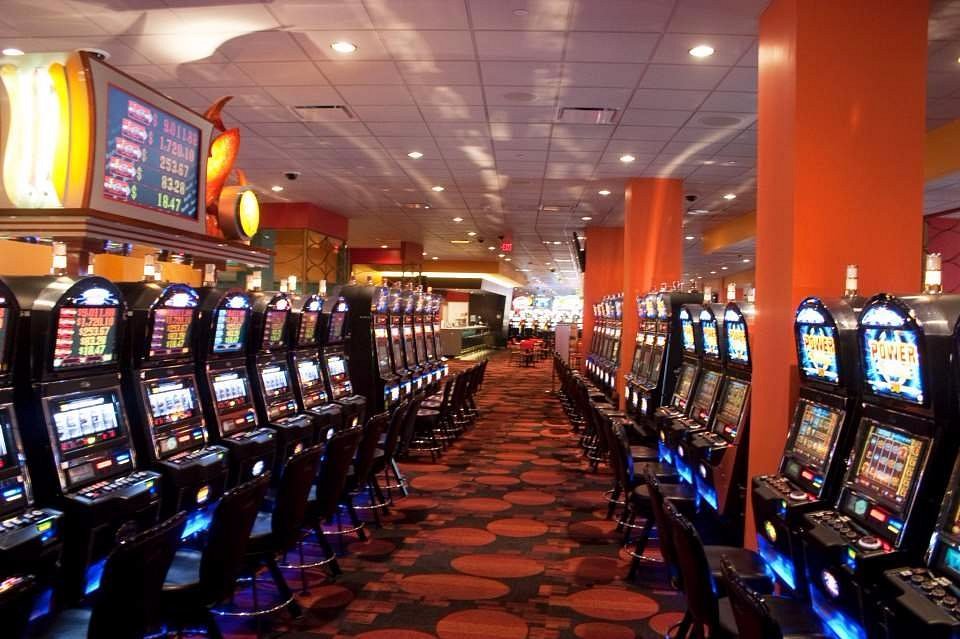
The environment of a casino is meticulously designed to captivate and engage the senses, creating an atmosphere where gambling feels both thrilling and enticing. Bright lights, vibrant sounds, and the allure of potential winnings make the experience irresistible to many. This carefully crafted ambience is not merely coincidental; it serves to draw players into a world where the prospect of instant gratification looms large. For those seeking quick payouts, ontario casino fast withdrawal options can enhance the excitement further. Gamblers often find themselves entranced by this atmosphere, which can lead to impulsive decision-making and increased risk-taking.

This sensory overload is a key component of the psychological appeal of casinos. The design elements play a vital role, as the absence of clocks and windows erases the awareness of time and the external world. This disorienting effect encourages prolonged play, as individuals lose track of time and become increasingly immersed in the gaming experience. As a result, many players may not only gamble longer than intended but might also spend more money, driven by the thrill of the game.
The idea of winning big is a powerful motivator in the realm of gambling. Casinos employ various psychological strategies, such as variable rewards, to keep players engaged. The excitement of hitting a jackpot—even if it’s infrequent—reinforces behaviors and can lead individuals to chase losses, believing that their luck will change. This cycle can create a gambling habit that is difficult to break, highlighting the importance of understanding the psychological factors at play in these environments.
The Role of Emotion in Gambling Decisions
Emotions play a significant role in shaping gambling behaviors. Feelings such as excitement, anticipation, and euphoria can drive individuals to take risks they might ordinarily avoid. For instance, winning a small amount can elevate one’s mood and create a false sense of confidence, leading to further bets. Conversely, negative emotions like stress or depression can also influence gambling, with individuals potentially using it as an escape mechanism, seeking relief through distraction provided by games of chance.
Moreover, the emotional highs and lows associated with gambling—such as the thrilling rush of winning or the disappointment of losing—can be addictive. This cycle can lead to a reliance on gambling as a source of emotional regulation. Research indicates that individuals may use the highs of winning or the anticipation of a big win to counter negative emotions in their lives, ultimately creating a complex relationship between emotional well-being and gambling behavior.
Recognizing the emotional aspect of gambling can aid in understanding why some individuals become problem gamblers. Those who struggle to manage their emotions may find themselves trapped in a cycle of gambling as they seek the highs while attempting to avoid the lows. This emotional rollercoaster can lead to significant psychological consequences, including anxiety and depression, further complicating the relationship between gamblers and their behavior.
The Influence of Cognitive Biases
Cognitive biases significantly influence gambling behavior, often leading individuals to make irrational decisions. One common bias is the “gambler’s fallacy,” where individuals believe that past events can affect future outcomes in games of chance. For example, a player might mistakenly think that a losing streak means they are “due” for a win, prompting them to stake larger amounts in hopes of recouping losses. This fallacy can lead to escalating risk-taking and financial loss.
Another cognitive distortion prevalent in gambling is overconfidence. Players often overestimate their skills or the likelihood of winning, particularly in games that involve an element of strategy. This overconfidence can be fueled by past successes, creating a false sense of mastery over the games being played. The illusion of control can be dangerously misleading, as it can perpetuate gambling behaviors even when the odds are stacked against the player.
Additionally, confirmation bias can play a role, as individuals may only acknowledge information or experiences that support their belief that they are successful gamblers. This selective perspective can further entrench poor gambling habits, making it difficult for players to recognize when their strategies or beliefs are leading them astray. Understanding these cognitive biases is essential for both gamblers and those seeking to aid them in overcoming problematic behaviors.
Addiction and the Path to Recovery
The addictive nature of gambling is a growing concern, with millions of individuals struggling with gambling disorders worldwide. The psychological mechanisms behind this addiction can be complex, often involving a combination of emotional vulnerabilities, cognitive biases, and environmental triggers. Many individuals who gamble excessively find themselves caught in a cycle of chasing losses, where they believe that further play will lead to eventual recovery, worsening their financial and emotional situation.
Treatment and recovery from gambling addiction often require a multifaceted approach, addressing both the psychological and behavioral components of the disorder. Cognitive-behavioral therapy (CBT) is one of the most effective methods, as it helps individuals identify and challenge the cognitive distortions that contribute to their gambling behaviors. Support groups and counseling can also provide essential emotional support, creating a community of understanding and recovery to help individuals move toward healthier coping mechanisms.
Moreover, a supportive environment plays a crucial role in recovery. Understanding the triggers that lead to gambling behavior can help individuals develop strategies to avoid these situations. Creating a solid support system through friends, family, or professional help can provide the encouragement needed to resist the pull of gambling and foster healthier habits over time. Recovery is a journey that requires patience and persistence, where understanding the psychological aspects of gambling can lead to more effective strategies for overcoming addiction.
Understanding Gambling Behavior Through Resources
For those interested in delving deeper into the psychology of gambling, various resources are available that provide valuable insights and support. Educational websites, literature, and professional organizations offer extensive information on the cognitive and emotional components of gambling, as well as strategies for responsible gaming and addiction recovery. Accessing accurate information is vital for gamblers seeking to understand their behaviors and motivations.
Additionally, many online platforms provide resources for individuals struggling with gambling-related issues. Tools such as self-assessment quizzes, forums, and educational articles can help gamblers reflect on their experiences and develop a better understanding of their habits. These resources can serve as an initial step towards seeking help, empowering individuals to take control of their gambling behavior.
Ultimately, increasing awareness about the psychology of gambling can contribute to a more informed public. By understanding the underlying mechanisms that drive gambling behavior, individuals, families, and communities can foster healthier relationships with gambling and support those who may be at risk. This shared knowledge can pave the way for a more responsible gambling culture that prioritizes well-being and mental health.